Can Restaurants Host Client Lunches Well?
Can restaurants host client lunches that feel relaxed and professional? Choose the right setting, menu and service plan for a confident Copenhagen meeting.
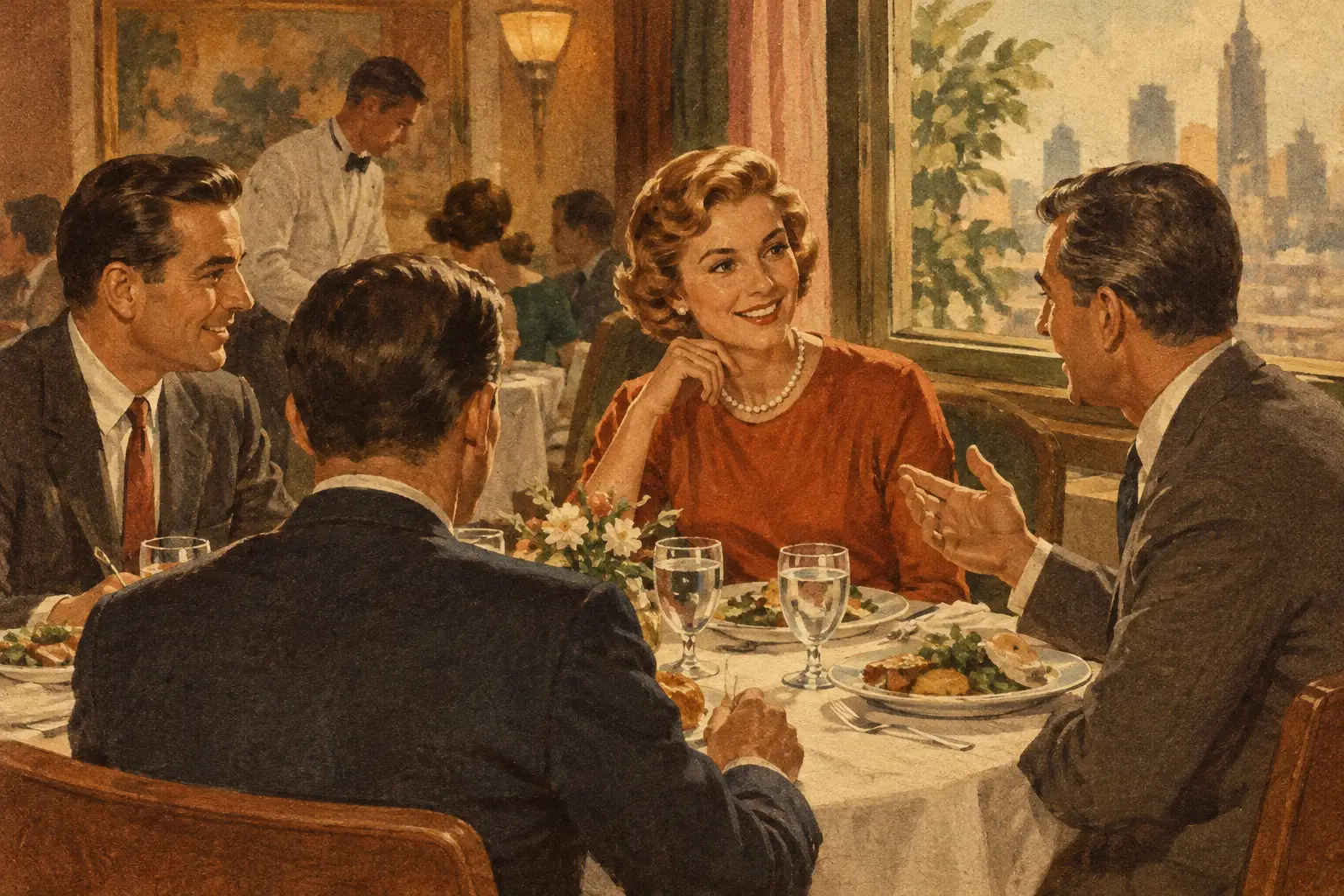
A client lunch should never feel like an awkward interview conducted over a cooling plate of food. The best ones create room for a proper conversation, a little local warmth and the confidence that every practical detail is in hand. So, can restaurants host client lunches successfully? Absolutely - when the setting, service and schedule are chosen with the meeting in mind.
For Copenhagen professionals, the appeal is simple. A restaurant takes the pressure off the office host while offering a more personal setting than a boardroom. It can be where a new partnership begins, a long-standing client is thanked, or a visiting colleague gets a genuine taste of the city. The goal is not to impress through formality. It is to make people feel well looked after.
Can Restaurants Host Client Lunches Without Feeling Formal?
Yes, and the most effective client lunches rarely feel stiff. A relaxed table, attentive service and food that is easy to enjoy give everyone permission to focus on each other rather than the mechanics of the occasion.
That said, relaxed does not mean unplanned. A busy, high-energy brunch room may be perfect for a team celebration, but it could make a confidential discussion difficult. Equally, a grand dining room might suit an important negotiation but feel excessive for a first catch-up. The right restaurant matches the tone of the relationship, the size of the group and the purpose of the lunch.
For many meetings, the sweet spot is a central venue with a friendly atmosphere, comfortable seating and a team that understands timing. Guests should be able to arrive easily, settle in quickly and leave without the feeling that the afternoon has slipped away.
Start With the Purpose of the Meeting
Before choosing a table, decide what the lunch needs to achieve. Is it an introduction, a project check-in, a thank-you or a conversation requiring privacy? That answer guides almost every other decision.
An introductory lunch benefits from a light, sociable setting. Choose a table where conversation can move naturally between business and the city around you. For a project meeting, reliable Wi-Fi, sensible noise levels and a lunch menu that does not demand too much attention can be more valuable than a dramatic dining experience.
For sensitive commercial conversations, ask whether there is a quieter corner or a private room available. A separate space is not only about discretion. It also lets your group speak freely, set its own pace and avoid competing with the sound of a full restaurant. If you are hosting several clients, it can make a small gathering feel considered rather than improvised.
Choose a Restaurant That Makes Hosting Easy
A good host should be present with their guests, not chasing menu questions, splitting bills or checking whether everyone has found the entrance. This is where restaurant planning matters.
When booking, be clear about the number of guests, the occasion, the time you need the table and any dietary requirements. If there is a fixed agenda, mention it. A thoughtful venue can then recommend the best seating and advise on a menu format that fits your schedule. For groups, a pre-arranged choice or shared menu often keeps the table moving without making lunch feel rushed.
Look for practical details that protect the atmosphere. Is the venue close to public transport or the city centre? Can it accommodate vegetarian, vegan and allergy-aware choices with ease? Is there enough space between tables to talk at a normal volume? These points may sound modest, but they are what guests remember when a lunch feels effortless.
At Venner Copenhagen, a daytime table can suit an informal meeting, while the private cellar offers a more secluded setting for hosted lunches and company occasions. That flexibility is useful when one client needs a quick coffee and another meeting calls for a longer, more private conversation.
Food should support the conversation
Client lunch food does not need to be plain. It does need to be sensible. Choose dishes that are satisfying without being difficult to eat, heavily scented or so elaborate that they become the main event.
Build-your-own brunch can work beautifully for a more relaxed daytime meeting because guests can choose what suits them. A straightforward lunch menu is often better when time is tight. The key is choice without indecision: enough variety for different appetites and dietary needs, but not a menu so long that the first twenty minutes disappear into discussion of food.
Think carefully about alcohol, too. A glass of wine or a celebratory toast may suit the relationship and the time of day, particularly when hosting visitors or marking a milestone. But it is never required for hospitality to feel generous. Good coffee, sparkling water and considered non-alcoholic options can make the table feel equally welcoming, particularly when the afternoon still holds meetings.
Protect the Time, Not Just the Table
A client lunch needs a beginning and an end. Booking for 12.00 can be ideal for a 60 to 90-minute meeting, giving people time to arrive from morning appointments and return to work without a scramble. For a more relationship-led lunch, allow longer and make that intention clear to guests.
Arrive a few minutes early if you are the host. It gives you time to greet clients rather than asking them to wait, and allows you to speak with the restaurant team about any last details. If someone is running late, begin with drinks and lighter conversation instead of holding the whole table in suspense.
Service pace deserves attention. You want staff to be available, but not interrupting a key point every few minutes. Let the venue know if there is a point in the lunch when you need coffee served, a bill prepared discreetly or a little more time before dessert. Clear communication is a kindness to both your guests and the team looking after them.
Payment should stay simple
The bill is part of the hosting experience. It should not arrive as a group calculation at the end of an otherwise polished lunch. Where possible, arrange for one person or company to pay, and ask for the bill discreetly before the meal finishes.
For repeat client lunches or a larger group, discuss invoicing, deposits and menu packages when booking. Transparent planning avoids surprises and makes internal expense processes easier afterwards. If your company has a set allowance, choose a venue and format that respects it. Generosity is not about ordering the most expensive thing on the menu; it is about choosing an experience that feels appropriate and thoughtfully hosted.
Create Space for Real Conversation
The strongest client lunches are not packed with sales talk from the first minute. Ask about the guest's journey, their connection to Copenhagen or what is keeping their team busy. Listen for the details that matter. A restaurant setting gives the conversation a more human rhythm than a video call, and that is often its real value.
Still, do not leave the business purpose vague. Once everyone is settled, explain why you wanted to meet and what would make the time useful. Then let the conversation breathe. A client may remember the ease of the welcome, the quality of attention and the fact that you respected their time as much as the presentation itself.
If the meeting involves a decision, end with a clear next step before the plates are cleared. Confirm who will follow up, what information is needed and when you will speak again. It keeps a warm lunch from becoming a pleasant but directionless afternoon.
When a Restaurant Is Not the Right Choice
Restaurants are not the answer to every client meeting. A detailed presentation, sensitive personnel matter or session involving confidential documents may require a dedicated meeting room. Likewise, a group with very strict timing might be better served by catering at the office.
But when the goal is connection, appreciation or a more relaxed business conversation, a well-chosen restaurant can do what an office rarely can: make people feel like guests. Choose a table that suits the relationship, give the venue the details it needs and leave enough room for a good meal and an honest conversation. That is how a client lunch becomes more than a diary slot - it becomes the beginning of a stronger working relationship.