How to Plan a Cellar Reception in Copenhagen
Learn how to plan a cellar reception with the right guest flow, menu, drinks and atmosphere for a warm, effortless celebration in Copenhagen with friends.
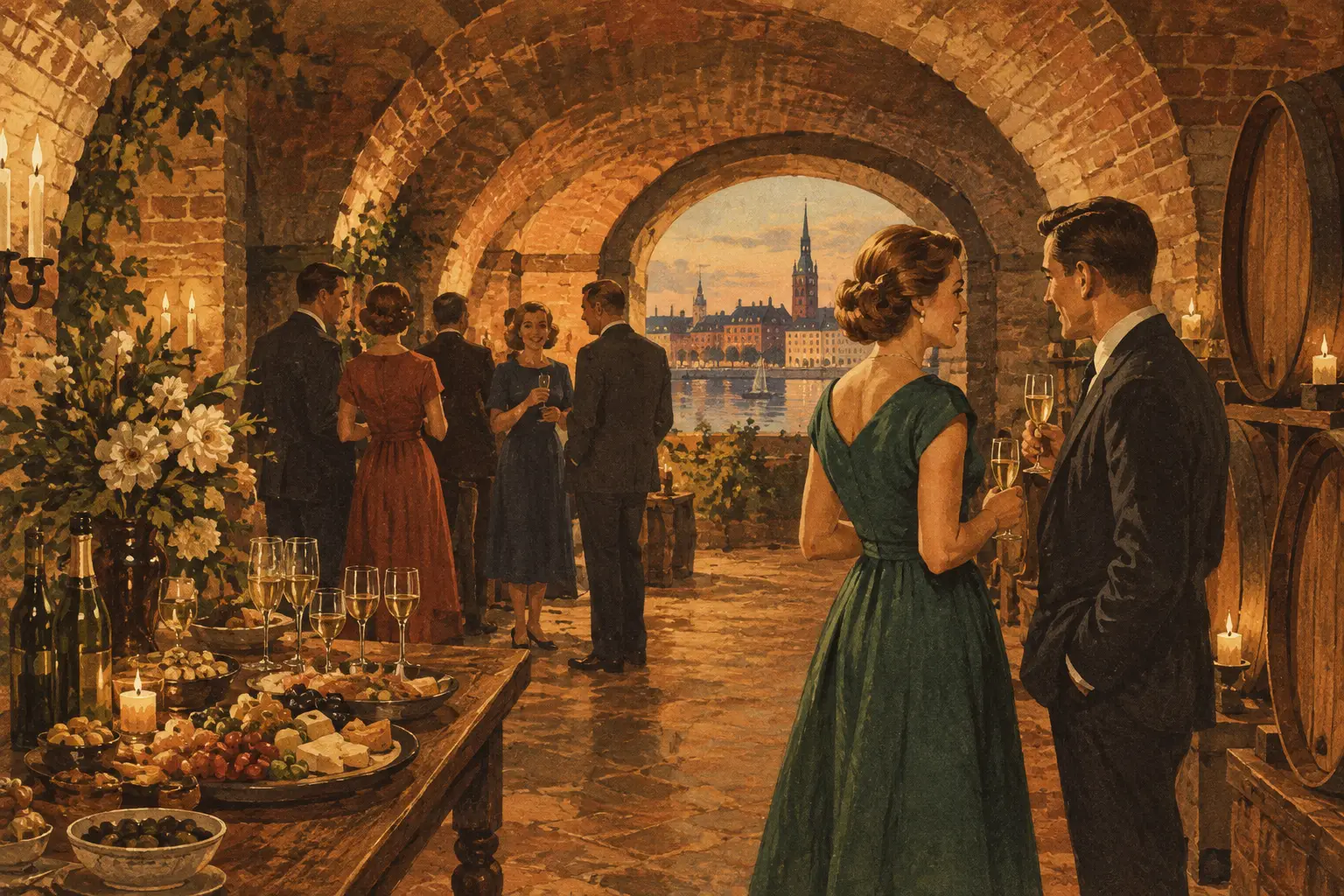
A cellar reception changes the feeling of an occasion before the first glass is poured. Away from the street and everyday noise, guests arrive somewhere more private - a place to catch up, make a toast and settle into the celebration together. Knowing how to plan a cellar reception means balancing that intimate atmosphere with the practical details that let everyone relax.
Whether you are gathering colleagues after work, welcoming wedding guests, celebrating a birthday or hosting friends from near and far, the best receptions feel easy because the planning behind them is clear. Start with the occasion, then build the food, drinks, timing and room layout around the people in it.
Start with the reason for gathering
A reception can be a whole event, or it can be the opening chapter of a longer celebration. This decision shapes almost everything else. A 90-minute welcome reception before dinner calls for a different pace from a three-hour birthday gathering with music, speeches and plenty of time to mingle.
Think about what you want guests to do when they arrive. If the aim is conversation and introductions, leave room for people to move between small groups and keep the programme light. If you are marking a milestone, create one natural moment for a welcome speech or toast without turning the evening into a schedule.
It also helps to be honest about the mood. A company reception may need a polished welcome and an easy way for colleagues or clients to meet. A wedding reception can feel more personal, with a favourite drink, flowers or a short speech from the couple. For a birthday, the priority might simply be a lively room, generous sharing plates and no pressure to sit still.
How to plan a cellar reception around your guest list
The guest list is not just a number. It tells you how the room needs to work. A smaller group can enjoy a more informal, hosted feeling, while a larger gathering needs clear places for coats, drinks, food and conversation so that the entrance does not become crowded.
Ask guests to respond by a sensible deadline, especially if food is involved. A final number is essential for portion planning, drink quantities and seating, but it is also your chance to collect dietary requirements. Vegetarian, vegan, gluten-free and allergy-friendly choices should be part of the plan from the start, not an anxious last-minute addition.
For mixed groups, consider who may not know anyone else. A cellar setting is naturally cosy, but people still need an easy way into the room. Welcome drinks offered as guests arrive, a host near the entrance and a simple introduction to the occasion all make a difference. If there are colleagues, family and friends in one room, a short welcome can connect the groups before they form separate circles.
Timing matters too. A weekday event beginning at 17:00 should offer something guests can enjoy promptly after work. A Saturday reception can start later and build towards dinner or drinks. Give your invitation a clear arrival time, an expected finish and a note on whether the event is standing, seated or moves into another part of the evening.
Choose food that supports conversation
Reception food should be easy to eat with one hand and satisfying enough for the time of day. That does not mean it has to be overly formal. The right spread feels generous, looks inviting and lets guests continue talking rather than searching for a knife and fork or a place to sit.
For a short afternoon gathering, coffee, sweet bites and a few savoury options may be enough. For a post-work reception, think more substantial: small plates, sharing dishes or canapés with enough variety to carry guests through the evening. If the reception replaces dinner, say so clearly in the invitation and plan a fuller food offering.
Variety is more useful than excess. Include a few familiar choices alongside something with a little character, and make sure guests with dietary needs have food that feels like part of the occasion rather than an afterthought. A good venue team can advise on quantities, service style and which dishes hold up well over the course of the event.
Avoid creating a food queue at the busiest point in the room. Depending on your group size, circulating service, several smaller stations or food brought out in stages can keep the atmosphere social. The best choice depends on the cellar layout and whether guests are meant to remain standing.
Build a drinks plan with pace
A welcome drink sets the tone, but it should not be the only plan. Decide whether you would like a set drinks package, a tab behind the bar or a combination of the two. Packages make budgeting simple and give hosts certainty. A bar tab offers more flexibility, though it needs a clear limit and someone authorised to make decisions if it is reached.
Offer a proper non-alcoholic alternative from the first pour. Sparkling water alone is rarely enough for a celebration. A thoughtful alcohol-free drink means everyone can join the welcome, whether they are driving, pregnant, taking a break from alcohol or simply not drinking that evening.
Keep the pace suited to the event. If there are speeches, schedule them after guests have had time to arrive and receive a drink, but before the room gets too loud. If you are serving wine, beer or cocktails through the reception, make sure food appears early enough. Good hosting is often about small safeguards: water on tables, food within reach and no long wait at the bar.
Use the cellar atmosphere, not just the space
A private cellar already offers something special: separation from the busy city above, a sense of occasion and the feeling that the gathering belongs to your group. You do not need to over-decorate it. A few considered details will usually do more than a room full of props.
Start with lighting. Warm light makes a cellar feel welcoming, while overly bright lighting can make even a beautiful space feel like a meeting room. Candles or small table lights can add atmosphere where appropriate, but always check what the venue permits.
Then consider sound. Background music should make the room feel alive without forcing guests to raise their voices. If you are planning a playlist, choose a calm opening and livelier tracks later on. For speeches, check where the speaker will stand and whether they need a microphone. This is especially useful when your group is large, or when the room has corners where sound can disappear.
Flowers, menus, place cards and a small sign for the drinks menu can make the reception feel personal. The key is to choose details that reflect the occasion. A wedding may call for a subtle colour palette; a company event might need a discreet welcome sign; a birthday can be as simple as favourite flowers and a cake brought out at the right moment.
Agree the practical details before sending invitations
The easiest receptions are planned with the venue, not against it. Before you invite guests, confirm the available time for access, set-up and departure. Ask what is included in the booking, how furniture can be arranged, whether you can bring decorations or a cake, and how dietary requirements should be submitted.
You should also agree the final guest deadline, cancellation terms, payment schedule and drinks arrangement. These details may feel less glamorous than choosing a welcome cocktail, but they protect the mood of the day. Nobody wants to be taking payment calls or changing food numbers while greeting guests.
At Venner Copenhagen, a private cellar can bring together the relaxed warmth of a dinner with the flexibility of a social reception. Share the shape of your occasion, your guest number and the atmosphere you have in mind, then let the event planning begin with the practicalities already in hand.
A simple host checklist for the day
A few final checks can make you feel present rather than pulled in every direction. Confirm the guest count and dietary notes, arrive early enough to see the room, and identify one person from the venue team who can help during the reception. If you are hosting a larger group, ask a friend, colleague or family member to be your second pair of hands for late arrivals, gifts or questions.
Have your welcome ready, even if it is only two sentences. Thank people for coming, explain the plan for the evening and invite them to enjoy themselves. That small moment gives the gathering a beginning and takes the pressure off guests who are unsure where to go or what happens next.
A cellar reception does not need a packed programme to be memorable. Give people good food, thoughtful drinks, a welcoming room and enough time to be together. The rest is what friends, family and colleagues bring with them - the stories, the laughter and the reason everyone said yes.