Private Events in Copenhagen Made for Friends
Plan private events in central Copenhagen with relaxed hosting, flexible food and drink packages, and a cosy cellar made for good company, all year round.
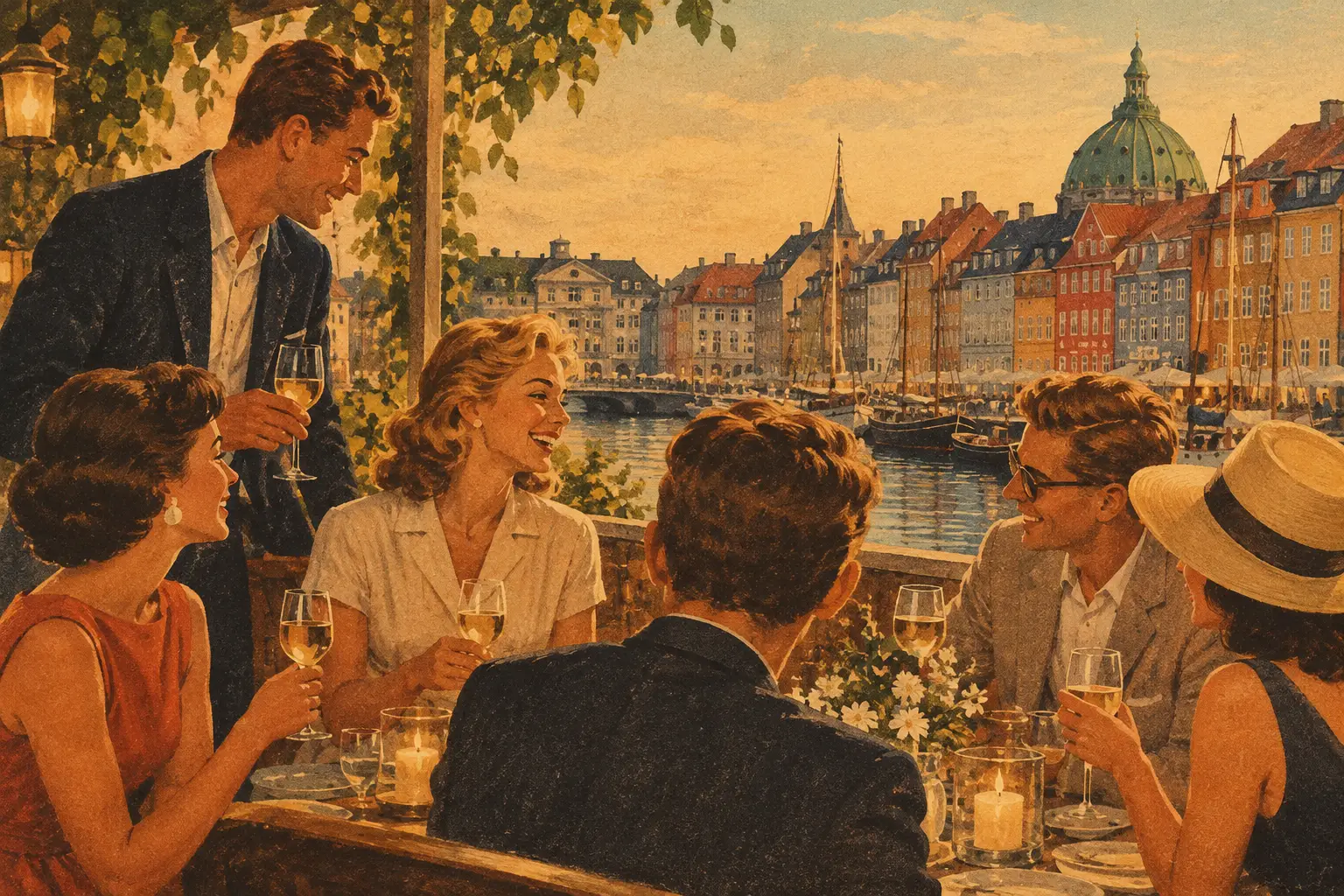
A birthday should not feel like a second job. Nor should a team dinner end with someone chasing dietary requirements, explaining the drinks budget, and wondering whether there will be enough room for everyone to sit together. The best private events leave space for the host to be part of the occasion too - arriving to a table that is ready, food that suits the group, and an atmosphere that already feels inviting.
In central Copenhagen, there is no shortage of places to meet. Finding a setting that feels personal while still being properly organised is the harder part. Whether you are gathering colleagues after a busy quarter, bringing families together for a wedding lunch, or planning a birthday that moves naturally from dinner into drinks, the details make the difference.
Private events should feel like your occasion
A private room is not simply a room with a door. It should give your group the freedom to talk, toast, laugh loudly and settle in without competing with the rhythm of the main restaurant. At the same time, it should not feel overly formal or cut off from the energy that makes a good Copenhagen gathering memorable.
That balance matters. A client-facing lunch may need a quieter pace and a polished table setting. A 30th birthday may call for shared plates, cold drinks arriving at the right moment, and enough flexibility for a few more friends to join later. A wedding celebration often sits somewhere between the two: intimate and meaningful, but still relaxed enough for everyone to feel at home.
At Venner Copenhagen, the private cellar is made for those occasions when being together is the point. It offers a secluded setting below the city streets, with the warmth and ease of a place for friends rather than the stiffness of a traditional function room.
Start with the feeling, then choose the format
Before choosing a menu, decide how you want guests to feel when they walk in. This is more useful than starting with a long list of practical questions, although those matter too. A clear sense of the occasion guides almost every decision, from arrival drinks to seating and timing.
For birthdays and celebrations
Birthday plans work best when the format does not ask guests to make too many decisions. A welcome drink sets the tone quickly, while a planned food and drinks package gives the evening a generous rhythm. You can still add personal touches - a cake, a short speech, a favourite playlist or a few decorations - without turning the host into an event manager.
Think about the energy you want. A seated dinner encourages longer conversations and a more intimate atmosphere. A sharing-style meal feels sociable from the start. If the aim is a livelier evening, allow enough time after food for guests to stay for drinks rather than booking every minute too tightly.
For company gatherings
Work events need to do more than fill a diary slot. A good team lunch, Christmas party or client dinner gives people a chance to speak differently than they do around a meeting table. The setting should feel considered, but not so formal that conversation becomes careful and polite.
For companies, clarity is often the most valuable part of the planning process. Confirm the guest count, timing, invoice details, dietary needs and drinks arrangement early. A fixed package can make budgeting easier, while a more flexible approach may suit a smaller leadership dinner or an informal after-work gathering. Neither is automatically better - it depends on whether certainty or choice matters more to your group.
For weddings and family occasions
Smaller wedding meals and family celebrations deserve the same care as larger receptions. The advantage of an intimate event is that every guest can genuinely share the moment. A private dining space gives room for speeches, familiar faces and an unhurried meal without asking anyone to travel between several venues.
Keep the plan simple enough to enjoy. Choose food that is welcoming across generations, make dietary arrangements well in advance, and leave breathing room around speeches or toasts. The most touching moments are rarely the ones that have been scheduled down to the minute.
Food and drink that keep the table together
For private events, the menu is part of the hosting. Guests should understand what is happening, feel looked after, and have something delicious in front of them without the table becoming a logistics exercise.
A set menu or party package is often the easiest route for larger groups. It helps the kitchen plan service, keeps timing consistent, and means the host can relax. It is particularly useful when you have a mixed group, a limited lunch break, or a programme that includes speeches and presentations.
That does not mean every event needs the same structure. An intimate dinner can benefit from more individual choice. A daytime celebration may suit brunch, coffee and a few bright extras better than a full evening meal. For a high-spirited weekend occasion, a Boozy Brunch format can turn one booking into the day’s main plan.
Drinks deserve equal thought. Consider whether you would like a welcome drink, wine served with the meal, a drinks package, or a bar tab after dinner. Setting this out in advance avoids awkward pauses and gives guests a clear welcome. If some guests are not drinking alcohol, make sure the non-alcoholic options feel intentional rather than an afterthought.
The practical details guests never see
The warmest events are usually supported by careful planning behind the scenes. You do not need a complicated production schedule, but a few decisions made early will save a great deal of back-and-forth later.
Share a realistic guest estimate when you first enquire, then agree a date for final numbers. Ask how dietary requirements should be submitted and whether there are arrangements for children, accessibility needs, decorations, cakes or a particular schedule. If you are planning a speech, presentation or surprise, mention it before the day so the team can help the evening flow well.
Timing is worth considering with particular care in Copenhagen. A weekday lunch may need to begin and end precisely. An evening celebration can be more relaxed, but guests will still appreciate knowing when food is served and whether the table is theirs for the whole event. For visitors travelling into the city, a central location makes a real difference, especially when the weather turns or plans continue after dinner.
A good rule is to choose one person as the main contact. They do not have to make every decision alone, but they should be able to give final answers on numbers, menu choices and the running order. That keeps communication clear and helps the venue take good care of your group.
Make the room feel personal, not overproduced
A private setting already does much of the work. You do not need to cover every surface with decorations to make it feel special. A few well-chosen details go further: flowers in a favourite colour, place cards for a wedding lunch, a handwritten menu note, or a small toast prepared by a friend.
Consider the people in the room before adding more. A close group of friends may enjoy an informal table where everyone can move around easily. A business dinner may benefit from a seating plan that brings the right conversations together. For a family occasion, leave space for children, grandparents and the spontaneous conversations that tend to become the best part of the day.
The same applies to music and speeches. They should support the gathering, not take it over. The room should still leave space for people to hear one another.
Give yourself permission to host less
There is a common mistake in event planning: believing that care means controlling every detail. Care is choosing a place, food and format that make people feel welcome. After that, the best thing a host can do is sit down, raise a glass and enjoy the people they invited.
When you are ready to plan, start with the date, the number of guests and the kind of gathering you want. The rest can be shaped around you. A good private event is not remembered for a perfect spreadsheet. It is remembered for the feeling that nobody wanted to leave too soon.