Restaurant Booking Guide for Better Gatherings
This restaurant booking guide helps you choose the right time, table and menu for brunch, drinks, dinner or a celebration with friends in Copenhagen today.
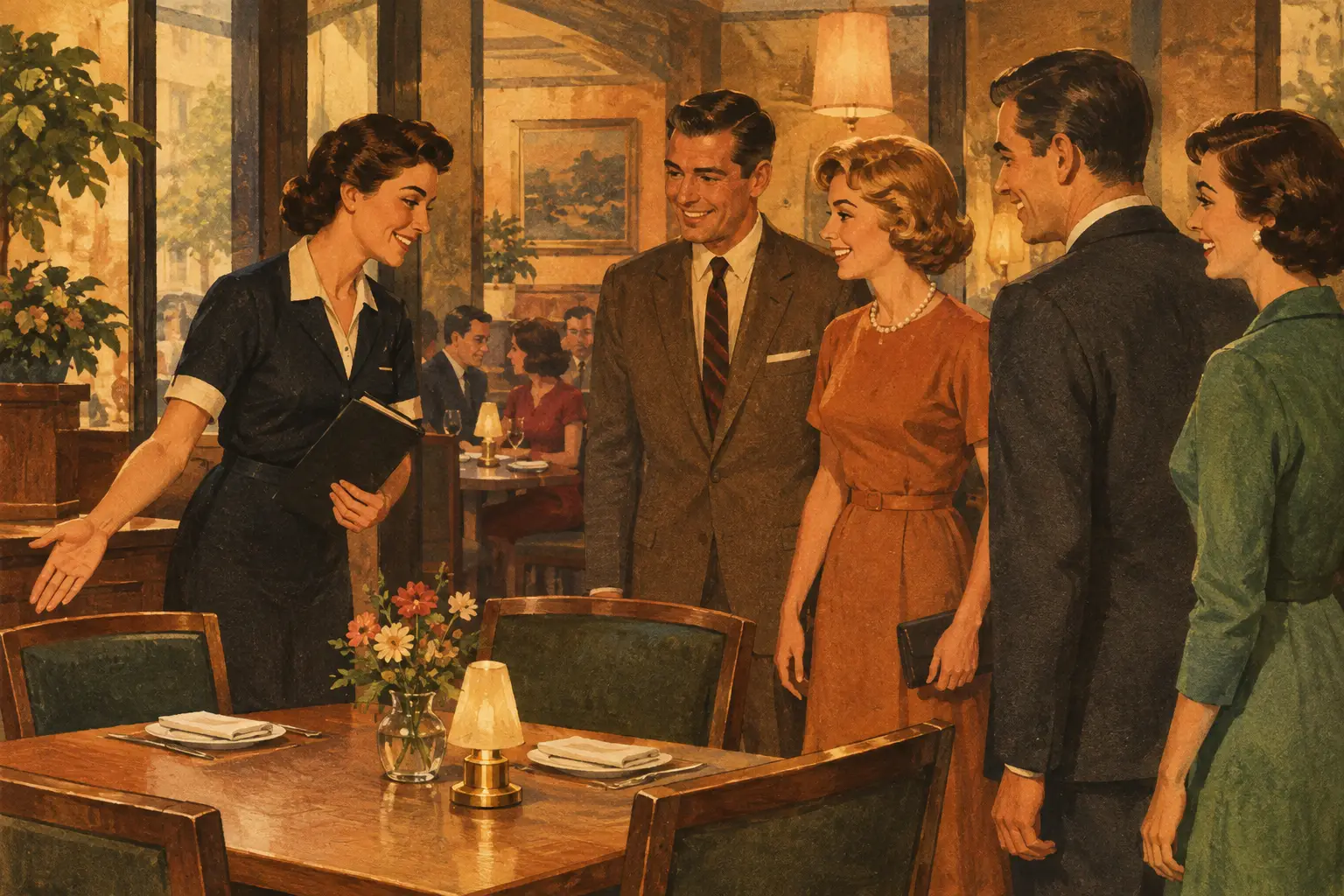
A good meal out begins before anyone sits down. This restaurant booking guide is for the moments when you are choosing between a quick coffee, a long brunch, after-work drinks or a proper celebration - and want the plan to feel easy for everyone invited.
In Copenhagen, the best tables can disappear quickly, especially at weekends and around holidays. A little thought at the booking stage helps your group arrive relaxed, gives the venue what it needs to look after you well, and leaves more time for the good part: being together.
Start with the occasion, not just the time
A booking for two on a Tuesday morning needs something different from a birthday for 18 on a Saturday. Before searching for a table, decide what the gathering is really for. Is it a quiet catch-up where conversation matters? A lively brunch with friends? A client meeting that needs calm and good coffee? Or a night that may begin with dinner and continue with drinks?
The occasion shapes almost every useful choice: the time, table size, menu, budget and atmosphere. A venue that is perfect for a spontaneous glass of wine may not be right for a team lunch with a schedule. Equally, a formal dining room may feel slightly stiff for friends who simply want to settle in, share food and stay a while.
Think about the rhythm of the day as well. Morning bookings are often best for meetings and unhurried coffee. Lunch works well for a short social break or a business catch-up. Brunch brings more energy, particularly at weekends, while early evening suits dinner before theatre, drinks or a night in the city. If the group wants to linger, say so when you book. It helps the team suggest a time and setting that works.
Restaurant booking guide: choose the right size table
Getting the guest count right is one of the kindest things you can do for both your friends and the restaurant. Book for the number you expect to attend, then update the venue as soon as plans change. A table for six feels very different from a table for ten, and last-minute changes can affect where everyone sits and how the service is planned.
For small bookings, a standard table is usually enough. For larger groups, ask whether the venue can offer one long table, a more private corner or a separate space. There is no universal best option. A long table is sociable and celebratory, but can make conversation harder across the group. A private room gives focus and flexibility, especially for speeches, presentations or a birthday surprise, but it may suit a more structured occasion.
If children, prams or guests with mobility needs are part of the plan, mention this early. The same goes for anyone who may need an accessible entrance, an easy route to the table or a quieter place to sit. Good hospitality is not about treating these details as special requests. It is about making sure every guest can enjoy the occasion comfortably.
For a gathering where the table needs to carry the whole afternoon or evening, it can help to ask about seating duration. This is particularly useful on busy Friday and Saturday periods. Knowing the arrangement in advance means nobody is surprised when it is time to move on, order another round at the bar or head out into the city.
Pick a time that suits the mood
The most popular booking time is not always the best time for your group. A 10.00 brunch can feel wonderfully civilised for early risers, while a 13.30 table gives everyone a slower start. An 18.00 dinner is ideal when people are coming straight from work, but a later table may suit a group that wants a more relaxed evening.
If you are meeting friends travelling from different parts of the city, build in a little breathing room. A booking just after the office rush can be easier than asking everyone to arrive at the same minute. Visitors to Copenhagen may also appreciate a table time that leaves space for a walk, gallery visit or trip around the centre beforehand.
For celebrations, choose the time according to the energy you want. Daytime gatherings tend to be bright, easy-going and flexible. Evening bookings create more of a sense of occasion, particularly if cocktails or wine are part of the plan. Neither is better. It depends on the people around the table and what you would like the day to become.
Check the menu before you invite everyone
A restaurant menu does more than set the food. It sets expectations. If you are organising the booking, have a look at the options before sending the invitation, particularly for brunches, group meals and occasions where guests are paying their own way.
For casual gatherings, choice can be part of the fun. A build-your-own brunch, for example, lets each person shape their own plate and works well for mixed appetites. For a larger party, a set menu or package can make the experience smoother for the host. It gives everyone a clear idea of the cost and can avoid a long round of decisions when the group is ready to celebrate.
Dietary requirements should never be left until the table is seated. Ask your guests in advance about allergies, vegetarian or vegan preferences, and other needs, then pass those details on when you book. A restaurant may be able to accommodate a request brilliantly, but it needs enough notice to do so safely and thoughtfully.
Drinks matter too. A coffee-led meeting calls for a different pace from a boozy brunch. If you are planning a package with drinks included, check what is included, how long it lasts and whether the whole table needs to take part. Clear details make hosting feel lighter, not more complicated.
Give the venue the details that make a difference
A helpful booking note is short but specific. Include the number of guests, your preferred time, the nature of the occasion and any dietary or access needs. If you are bringing a cake, planning decorations or hoping to make a speech, ask first rather than assuming. Venues have different policies, and a quick conversation prevents awkward surprises on the day.
For a work gathering, tell the venue if you need space for introductions, a presentation or a more discreet conversation. For a birthday, mention whether you would like a little extra atmosphere without making the guest of honour suspicious. For an engagement, wedding lunch or family milestone, ask about private spaces and available packages from the beginning.
At Venner Copenhagen, the cellar is designed for the occasions that deserve their own setting, from intimate lunches and birthdays to weddings and company events. Booking a private space is less about making things formal and more about giving your group room to be together, with a team behind the details.
Confirm, then let people know the plan
Once the booking is confirmed, send your guests the essentials: date, time, address, expected cost if relevant, and whether the gathering is food, drinks or both. It sounds simple, but a clear message prevents the familiar stream of last-minute questions.
A few days before a larger event, confirm the final number with the venue. This is the point to flag cancellations, extra guests or newly discovered dietary requirements. If someone is running late on the day, let the restaurant know rather than hoping it will not matter. It is a small gesture that helps the team keep the table and the service running well.
For groups, appoint one person to be the contact. That does not mean they have to manage everyone’s fun. It simply means the venue has one clear name for practical decisions if a question comes up.
When a table booking is not enough
Some occasions outgrow a regular reservation. If you are planning a wedding reception, team dinner, birthday with speeches or a client event, a private-event package may be the better choice. It can include a dedicated space, food and drinks arranged in advance, a clearer schedule and support from someone who understands how the room will work.
There is a trade-off. Packages offer certainty and reduce decisions on the day, while an ordinary table reservation gives guests more freedom to order as they go. For a small, informal group, flexibility may be the priority. For a larger occasion with a set budget and several moving parts, structure is often a relief.
The best restaurant bookings leave nobody feeling like an organiser once they arrive. Choose a place that suits the people, share the useful details early, and then give yourself permission to enjoy the table you have brought together.