Restaurant Event Planning That Feels Effortless
Restaurant event planning for birthdays, weddings and work gatherings: practical advice for choosing a venue, menu, flow and the right atmosphere with care.
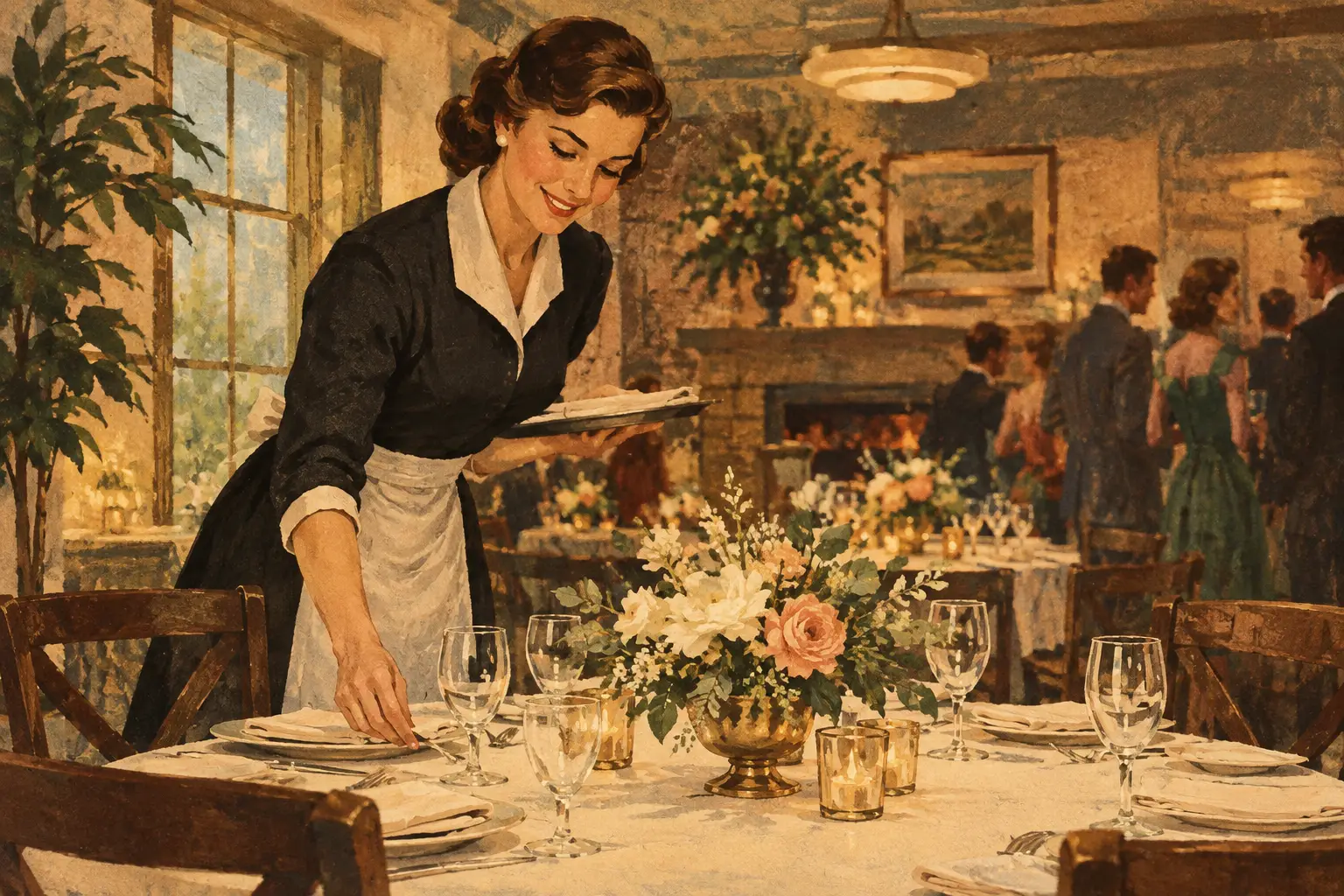
A memorable celebration rarely comes down to one spectacular detail. It is the feeling of arriving to a room that is ready, drinks appearing at the right moment, and nobody having to ask where they should sit. Good restaurant event planning creates that ease. Your guests feel looked after, while you get to enjoy the occasion rather than manage it.
Whether you are arranging a birthday dinner, an intimate wedding reception, a team gathering or drinks after a client meeting, the best starting point is simple: decide what you want people to feel when they leave. That answer shapes the venue, the food, the timing and the level of structure your event needs.
Start with the occasion, not the guest count
Guest numbers matter, of course, but they do not tell the whole story. A dinner for 24 can feel lively and informal around shared tables, while a group of 24 listening to speeches may need more privacy, clearer sightlines and a quieter room. Before approaching a venue, consider the purpose of the gathering and the pace you want.
A birthday might call for an easy start with welcome drinks, a generous meal and a later shift towards music and cocktails. A company lunch may need a punctual schedule, good coffee and enough room for conversation without competing with the rest of the restaurant. For a wedding celebration, the priorities may be a warm setting, flexibility for personal touches and a team that understands how much the small moments matter.
It also helps to be honest about the energy of your group. Some guests want a long table, shared plates and a busy atmosphere. Others would rather settle into a calm, private space with table service. Neither is better. The right format is the one that makes your particular people comfortable.
Choose a venue that can carry the whole day
A venue should do more than look good in photographs. It needs to work from the first arrival to the final goodbye. Think about location, access, privacy, food service, sound levels and what happens if guests want to stay for one more drink.
Central Copenhagen is ideal for events with guests arriving from different parts of the city, visiting from abroad or heading on elsewhere afterwards. Still, a convenient address is only useful if the room itself has the right rhythm. Ask whether your group will have its own area, how the space is set up and whether the atmosphere changes during the day.
Private rooms are particularly useful when your plans include speeches, presentations, a personal playlist or simply the freedom to relax without worrying about the table next to you. A cellar or secluded dining room can give an occasion its own sense of place while keeping the warmth of a sociable restaurant around it.
At Venner Copenhagen, the private cellar offers precisely that balance for intimate lunches, birthdays, weddings and company occasions: a setting that feels separate from the everyday, with the practical support to keep the celebration moving.
Ask practical questions early
A good host is happy to talk through the details before you commit. Ask about minimum spends or package prices, arrival times, seating capacity, accessibility and when final guest numbers are required. If you are planning a presentation, check what equipment is available rather than assuming there will be a screen or sound system.
It is also worth asking how late the space can be used and whether the event can move naturally from dinner to drinks. A beautiful private room may not suit a group that wants a high-energy finish. Equally, a bustling bar may be wrong for a meaningful family lunch. Restaurant event planning is often about matching the room to the moment.
Build a menu that keeps guests together
Food is where hosts often overcomplicate things. A long, highly individual order can slow down the table and pull attention away from the conversation. For many groups, a set menu, shared-style serving or a defined package makes the evening feel more generous and less administrative.
That does not mean every event needs the same format. A breakfast meeting may need excellent coffee, pastries and something substantial enough to carry people through a morning of ideas. A weekend celebration may suit brunch, especially if the group enjoys a more relaxed start and a festive drinks option. An evening gathering may call for a menu with a clear vegetarian choice, easy accommodation for dietary requirements and courses timed around speeches.
The key is to collect dietary information early. Send one short message with a deadline, then pass the final list to the venue in good time. Last-minute changes happen, but a little organisation helps the kitchen serve everyone confidently and avoids drawing unnecessary attention to individual guests.
Drinks deserve the same thought. Welcome bubbles create a sense of arrival, while wine served with the meal keeps the experience simple. A drinks package can make budgeting easier for a work event or a larger birthday group, but it is not always necessary. If your guests have varied tastes or the gathering is shorter, a bar tab with a clear limit may be the better choice.
Give the event a simple shape
The most relaxed events still have a plan. Guests do not need a minute-by-minute schedule, but they do benefit from knowing what is happening next. A clear structure also gives the venue team the information they need to pace service well.
For an evening event, allow time for arrivals before bringing everyone to the table. Plan speeches between courses rather than during active service, and leave a little space after dessert before people decide whether to head home or continue at the bar. For daytime events, think about the natural end point: do guests need to return to work, catch trains or make childcare arrangements?
Keep formal moments short. A welcome speech, toast or thank-you feels more meaningful when it does not interrupt the flow for too long. If several people want to speak, nominate one person to coordinate the order and give everyone a gentle time limit. Your guests will thank you.
Share one clear brief with the venue
Once the essentials are set, send your event contact a single overview containing the date, timings, guest count, menu choices, dietary needs, seating preference, key contacts and any planned speeches or surprises. This is more useful than details scattered across several messages.
If you are bringing decorations, cake, place cards or a gift table, agree in advance when they can be delivered and set up. Small personal touches can transform a room, but they should support the atmosphere rather than create a last-minute job for someone else. A few candles, menus with names or a thoughtful table plan often go further than elaborate décor.
Plan for the people who are not in the room yet
Your invitation sets the tone before anyone arrives. Include the address, start and finish time, dress guidance if relevant, and a simple note about food or drinks. If it is a surprise, be clear about when guests need to arrive. If it is a work event, let people know whether partners are invited and whether there is any expected programme.
For international guests, practical information is especially welcome. Copenhagen is easy to move around, but travellers may not know the neighbourhoods or typical dinner timings. A warm, straightforward invitation removes uncertainty and makes people more likely to say yes.
Do not forget the people who may feel less comfortable in a group setting. A named welcome contact, a shared arrival drink or a seating plan that mixes familiar faces can make a real difference. Hospitality is not just about serving a table. It is about helping everyone find their place in the room.
Leave room for the unexpected
Even the best plan changes slightly. A colleague is delayed, rain alters arrival plans, or a speech becomes longer than expected. The goal is not perfection. It is having enough clarity that small changes do not unsettle the whole event.
Choose one person besides yourself who can answer practical questions on the day. Give them the venue contact, the timing and any important details. That way, if something needs a quick decision, you can stay present with your guests.
The details will be remembered less than the feeling: a table full of conversation, a well-timed refill, the comfort of knowing someone has thought ahead. Plan the essentials, trust your venue team, and make space to celebrate with the people you brought together.