Wedding Catering Ideas for a Relaxed Copenhagen Party
Wedding catering ideas for a relaxed Copenhagen celebration, from sharing plates and brunch to late-night bites, with smart planning advice for every guest.
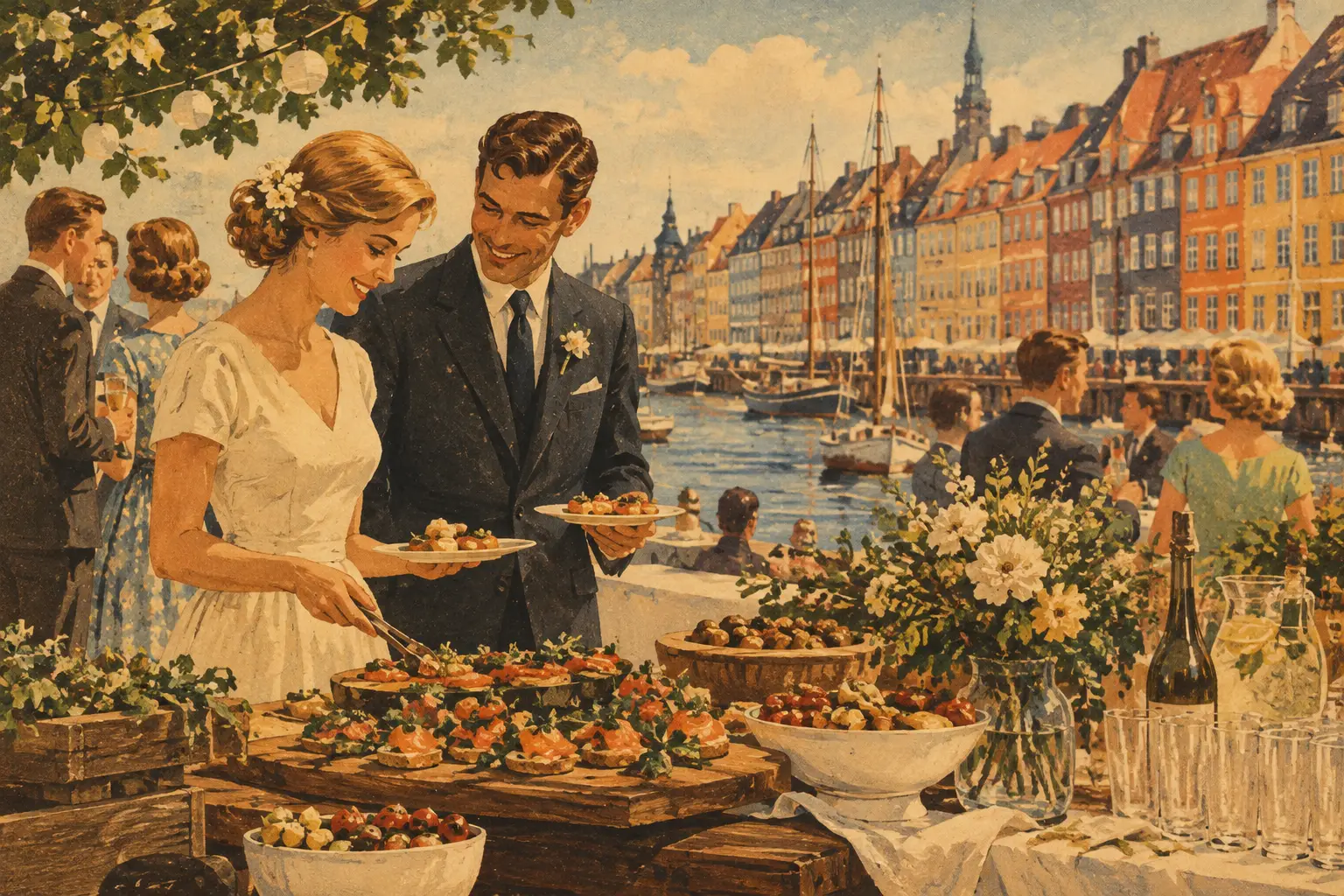
A wedding meal sets the rhythm of the whole celebration. The right wedding catering ideas give guests something to gather around, whether that means a long brunch after a city-hall ceremony, generous dishes passed between friends, or comforting late-night food after the dance floor opens. In Copenhagen, the most memorable weddings often feel less like a formal production and more like a beautifully hosted evening with all your favourite people.
The best choice is not necessarily the most elaborate menu. It is the one that suits your timing, venue, guest list and the way you want everyone to feel. A relaxed lunch can be every bit as special as a three-course dinner when the food is generous, the drinks are flowing and nobody is wondering what happens next.
Start with the kind of celebration you want
Before choosing dishes, picture the energy in the room. Are you planning a small lunch with immediate family, an afternoon toast that turns into dinner, or a party where friends will stay long after dessert? Catering works best when it follows the day rather than competing with it.
For a daytime wedding, brunch is a natural Copenhagen answer. It creates an easy, sociable start after the ceremony, with coffee, fresh pastries, eggs, fruit and the option of celebratory bubbles. It is especially suited to couples who would rather spend their day talking, laughing and moving around the room than sitting through a long formal meal.
An evening reception may call for more structure, but it does not need to feel stiff. A welcoming drink, a shared meal and a later round of small bites can keep the atmosphere warm without asking guests to stay seated for hours. Think of the menu as part of the hosting: every course should make it easier for people to enjoy one another.
Consider your guest list, not just your guest count
A menu for 25 close friends can be more personal and flexible than a meal for 100 guests. Smaller groups can enjoy sharing dishes, seasonal plates and a more informal service style. Larger weddings benefit from a clear service plan, familiar flavours and food that can arrive at the table looking generous and tasting just as good.
Also consider who will be there. Grandparents may appreciate a comfortable seated meal, while friends travelling into the city may welcome food that appears soon after they arrive. If children are invited, a simple option for younger guests makes the whole occasion easier for parents. Good catering is thoughtful in these small, practical ways.
Wedding catering ideas that bring people together
A celebratory brunch
Brunch has a particular charm for couples who want their wedding to feel light, lively and unforced. Build the table around good coffee, freshly baked bread, seasonal fruit, eggs and a mix of sweet and savoury favourites. Add cocktails or chilled sparkling wine for a little occasion, while keeping alcohol-free choices just as appealing.
A brunch wedding also gives you room to choose your own ending. Some couples continue into an afternoon bar, while others keep it short and spend the evening with family. It is a lovely format for smaller ceremonies, civil weddings and celebrations where daylight, conversation and a great first coffee matter as much as the dancing.
Sharing plates for a friendly table
Sharing plates are made for a room full of people who already know one another - and even better for helping strangers become friends. Serve a selection of colourful plates in the centre of the table, with fresh vegetables, roasted elements, fish or meat options, good bread and sauces that invite a second helping.
This format feels abundant without being overly formal. It also gives guests choices without creating a complicated menu of individual orders. The trade-off is that portions and dietary requirements need careful planning. Make sure there is enough variety at each table, and that vegetarian, vegan and allergen-friendly choices are clearly considered rather than added as an afterthought.
A seated dinner with relaxed details
A traditional sit-down dinner remains a wonderful choice when you want the meal to be a focal point. The key is to keep the experience moving. A short, well-paced menu gives space for speeches, conversation and refilled glasses without losing the room's energy.
Choose dishes that feel special but approachable. Guests rarely remember a menu because it was complicated. They remember a beautifully cooked main course, a dessert worth lingering over and the feeling that they were looked after. A seasonal menu is often the strongest place to begin, particularly when you are planning around Danish produce and the time of year.
Stations and grazing for a flowing reception
Food stations work well when you expect guests to mingle, especially after a short ceremony or between daytime and evening plans. One station might focus on warm savoury dishes, another on salads and bread, and another on something sweet. This lets everyone eat at their own pace and avoids a long queue at a single buffet.
Grazing tables can look inviting, but they need more than a pretty arrangement. They should include enough substantial food to replace a meal if that is the plan, and they need regular refreshing throughout the reception. For a more reliable balance, pair a grazing table with hot dishes or serve it as a generous welcome rather than the entire dinner.
Late-night favourites worth staying for
Once the music gets louder, guests want something comforting and easy to eat. Late-night bites are not an unnecessary extra if the party runs beyond dinner - they are often the detail people talk about the next morning.
Keep these servings simple, warm and handheld. Small sandwiches, savoury pastries, mini burgers, fries or a sweet final treat all work, depending on the style of your wedding. Plan the timing for around two or three hours after dinner, when dancing has properly begun and a fresh round of energy is welcome.
Build drinks into the experience
Food and drinks should feel like one celebration, not two separate decisions. Start with a welcoming option as guests arrive, then think about what belongs on the table during the meal. Wine, beer and cocktails can work beautifully, but a thoughtful non-alcoholic selection is essential too. Guests who are driving, pregnant or simply not drinking deserve more than a glass of water.
A limited drinks menu is often easier to manage than a full bar from the beginning. Choose a few well-made options that suit the food and occasion, then open up the bar later if that fits your plans. This approach helps with budgeting while still making the evening feel generous.
Make dietary needs part of the first conversation
The easiest weddings are planned with clear information early on. Ask guests about allergies and dietary requirements when they reply, then share the final numbers with your caterer well before the day. It is much more welcoming to offer a proper alternative dish than to make someone feel as though they are an exception at the table.
Avoid making assumptions about one vegetarian option serving every dietary need. Vegan, gluten-free and allergy-safe meals may require different preparation, and cross-contamination matters for some guests. A professional catering team will guide you through what is possible, but they need accurate details and enough notice.
Choose a format that works with your venue
A beautiful menu must work in the room. Ask whether the venue has a working kitchen, how food will be brought in, where drinks will be served and whether there is enough space for seated tables, a buffet or food stations. In a central Copenhagen venue, access, timing and the flow between dining and dancing can shape the best format as much as the menu itself.
For an intimate wedding, a private dining space can make hosting feel effortless. Your group has its own setting, while the service, food and practical details are handled around you. At Venner Copenhagen, a private cellar setting offers that balance for couples who want a personal celebration with organised support behind the scenes.
Plan the budget around what guests will notice
Spend where it changes the experience. Guests notice enough food, good drinks, warm service and a calm pace. They are less likely to remember tiny decorative extras or an overly broad menu with too many choices.
Be open with your caterer about your budget from the start. A clear figure makes it easier to build a package that suits your priorities, whether those are a longer drinks reception, a stronger dinner, a brunch format or a late-night round of food. It also helps prevent surprise costs for staffing, rentals, service hours or dietary alternatives.
Your wedding meal does not need to impress by being complicated. Let it feel like an invitation: come in, take a seat, raise a glass and stay a little longer. When the food is chosen with your people and your day in mind, the celebration already has its heart.