Wedding Lunch Planning Guide for a Relaxed Day
Our wedding lunch planning guide helps you shape a warm Copenhagen celebration, from guest timing and menus to drinks, seating and the little details.
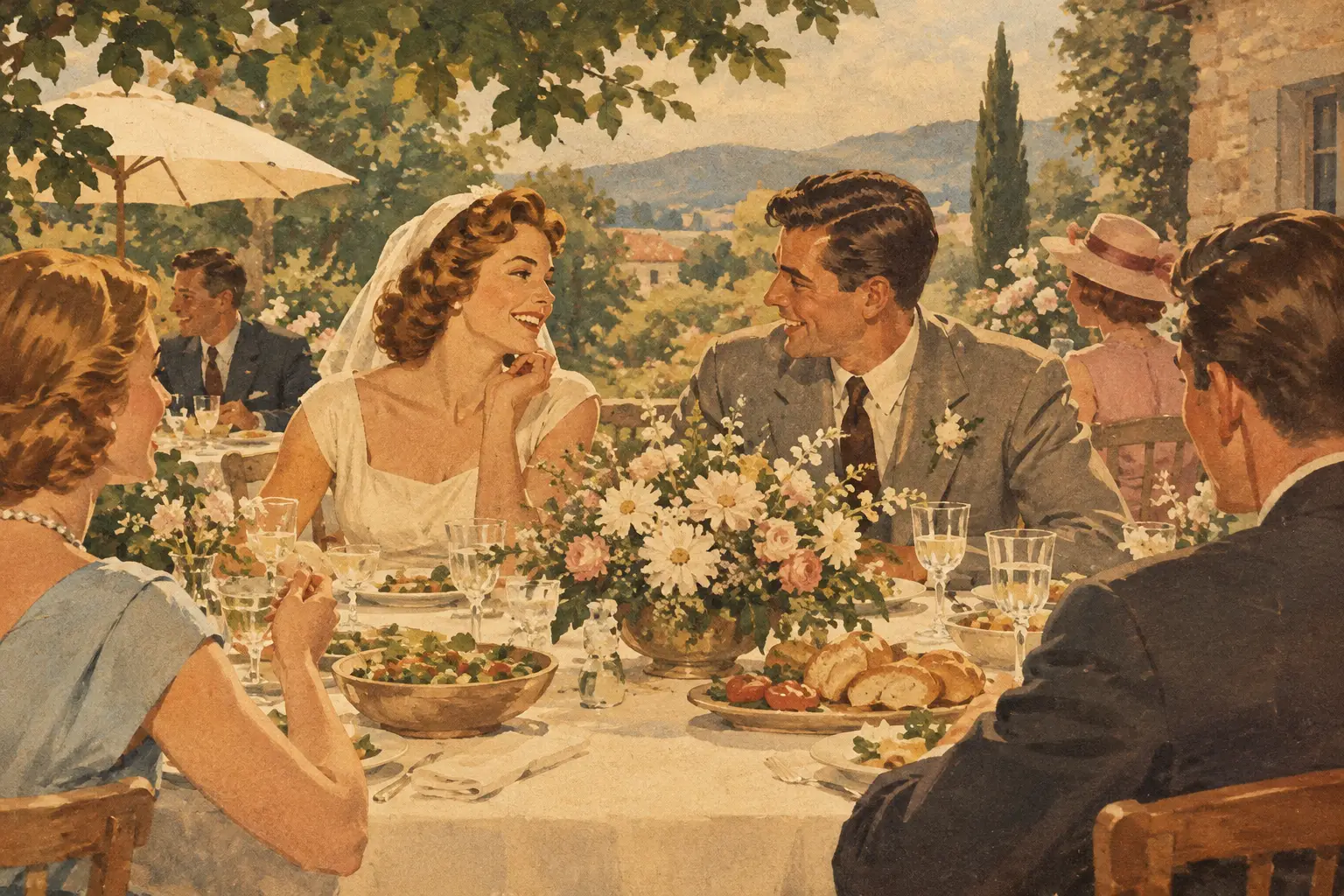
A wedding lunch has a particular kind of magic: daylight through the windows, a first glass raised before the afternoon disappears, and enough time for everyone to properly talk. This wedding lunch planning guide is for couples who want their celebration to feel generous, personal and easy to be part of - without turning the day into a minute-by-minute production.
Lunch works especially well for couples who prefer a relaxed gathering over a late-night party, are planning a city wedding, or want to bring several generations together around one beautiful table. The key is not filling every moment. It is giving the right moments enough space.
Start with the feeling, then set the format
Before choosing flowers, music or a menu, decide what you want guests to say when they leave. Perhaps it is: “We had the best afternoon.” Perhaps it is: “It felt completely like them.” That feeling will make the practical choices clearer.
A wedding lunch can be a long, shared-table occasion with speeches between courses, a lively brunch-style celebration with cocktails, or a more formal meal that moves gently into afternoon drinks. There is no single right format. A smaller guest list may suit a more intimate menu and longer conversations, while a larger group often benefits from a simpler structure and a clear finish to the meal.
Think about the energy you want at 3pm. If you would like guests to stay for coffee, cake and another round of drinks, plan for that from the beginning. If you want an unhurried lunch followed by time alone together, make that ending feel intentional rather than abrupt.
Choose a time that gives the day room to breathe
For most wedding lunches, seating guests between 12.30pm and 1.30pm offers a comfortable rhythm. It leaves time for a ceremony, congratulations and photographs without asking everyone to arrive at dawn. It also means lunch can unfold naturally into coffee and celebratory drinks.
Allow more time than you think for the moments outside the meal. Guests will want to greet you, find their seats and take in the room. Family photographs nearly always run a little longer than planned. A 45-minute arrival window is usually kinder than a tightly scheduled fifteen minutes, particularly if guests are travelling across Copenhagen or coming from different ceremony locations.
If children, older relatives or international visitors are on the guest list, a daytime celebration can be wonderfully considerate. It is easier to travel home, easier to pace alcohol, and often more relaxed for people who would rather not be dancing at midnight. The trade-off is that a lunch needs good timing: serve something substantial, keep the programme focused, and avoid too many long gaps.
Build a guest list around the room, not just the number
The atmosphere of a wedding lunch comes from how people sit together as much as how many people attend. Start with your non-negotiable guests, then consider the sort of conversations you hope to create. A room filled only with couples who know each other can feel comfortable, but a thoughtful mix of friends and family often creates the warmest tables.
Ask the venue about its ideal capacity for a seated meal, not simply its maximum capacity. A room can technically fit more people than it can host comfortably. You need space for chairs to move, service to flow and guests to stand up for a toast without feeling packed in.
Long shared tables encourage a communal, family-style feeling. Several smaller tables can make it easier for guests to hear one another and work well for mixed groups. Neither option is automatically more elegant. Choose the layout that makes your people feel at home.
Make seating feel personal, not overworked
Seating plans do not need to become a diplomatic exercise. Keep close family near you if that feels right, place sociable guests beside quieter ones with shared interests, and avoid making anyone feel stranded among strangers. If you have several friendship groups, a simple place card can remove uncertainty and help the meal begin smoothly.
Plan a menu guests can enjoy without fuss
A wedding lunch is not the moment to make everyone decode a complicated menu. The best food feels considered, generous and easy to eat while talking. Choose dishes that reflect the season and give guests a clear sense of occasion, while leaving room for dietary requirements to be handled properly.
A shared starter or welcome snack creates an immediate sense of togetherness. For the main meal, a plated menu can feel polished and keep timing predictable, while sharing dishes can make the table more lively and informal. A brunch-inspired format suits couples who want a daytime mood with coffee, pastries and perhaps a little more colour in the drinks.
Ask for dietary information with your invitations or RSVP form, rather than chasing it in the final week. Vegetarian, vegan, gluten-free and allergy-friendly choices should feel like part of the menu, not an afterthought. It is also worth checking whether the kitchen can accommodate pregnant guests and children with a suitable alternative.
Do not forget the final part of the meal. Wedding cake is lovely, but coffee, tea and a small sweet bite can be more practical if guests are lingering. If cake matters to you, decide whether it is a centrepiece moment after lunch or a more casual accompaniment to afternoon drinks.
Let the drinks set the pace
Welcome drinks make a lunch feel festive from the first hello, but they do not need to be extravagant. A glass of sparkling wine, a bright alcohol-free aperitif or a good cocktail gives guests something to hold while they greet each other and settle in.
At the table, offer wine, beer, soft drinks and water with enough variety for everyone to feel included. For a daytime celebration, a thoughtfully chosen non-alcoholic option is essential, not a token gesture. Consider a package that covers the meal and coffee, then decide whether you want to continue with a bar tab, drink tokens or guests purchasing their own drinks afterwards.
Unlimited drinks can suit a high-energy brunch, but they are not always the best fit for a speech-led lunch with family members of all ages. A measured drinks package often keeps the mood celebratory and relaxed. The right choice depends on your guests, your budget and the tone you want to set.
Give speeches a home in the schedule
A wedding lunch does not need a full evening’s worth of speeches. In fact, shorter often lands better. Two or three meaningful toasts, spread through the meal, give everyone a chance to listen without losing the easy flow of conversation.
Let speakers know in advance when they will be called on and suggest a time limit. Five minutes can be moving, funny and memorable. Ten minutes is possible for one key speech. More than that can make lunch feel like a conference, especially if several people are speaking in a row.
If you are planning music, think in terms of atmosphere rather than performance. A carefully chosen playlist during arrival and lunch may be all you need. Live music can be beautiful, but it should leave room for guests to hear conversations and speeches.
Work backwards from the details that matter
Once you have a venue and guest number, create a simple decision timeline. Confirm the menu and drinks package early, then finalise guest numbers, dietary needs, table plan and speeches closer to the date. Keep one person other than the couple as the point of contact on the day, whether that is a trusted friend, coordinator or venue host.
Bring only the details that add meaning. Printed menus, place cards, a guest book or a few table flowers can transform a room without requiring a lorry-load of décor. Daylight does much of the work at lunch, so focus on texture, colour and small personal touches rather than trying to recreate an evening reception.
At Venner Copenhagen, an intimate private setting and clear event planning can make this part feel less overwhelming. A good venue team should be able to explain the flow, accommodate the practical questions and help you create a celebration that still feels like your own.
Your wedding lunch planning guide for the final week
In the final week, confirm the few details that make the day run calmly: final numbers, dietary notes, arrival time, table layout, supplier deliveries, speeches and the name of your on-the-day contact. Share a simple schedule with the people who need it, not with every guest. They should only need to know where to be, when to arrive and that they are in for a lovely afternoon.
Then leave a little room for the unscripted bits. The hug that lasts longer than expected, the story told over coffee, the table that asks for one more bottle of sparkling wine - these are not disruptions. They are usually the moments that make a wedding lunch feel like a true gathering of friends.
Plan with care, welcome generously, and let the afternoon belong to the people you chose to share it with.